Recipes · lunch, dinner
Sheet Pan Chicken Drumsticks with Vegetables for Toddlers (12+ Months)
A one-pan lunch: chicken drumsticks, potatoes, carrots, zucchini and bell pepper. Fifteen minutes of work, the oven does the rest. Your child eats what you eat.
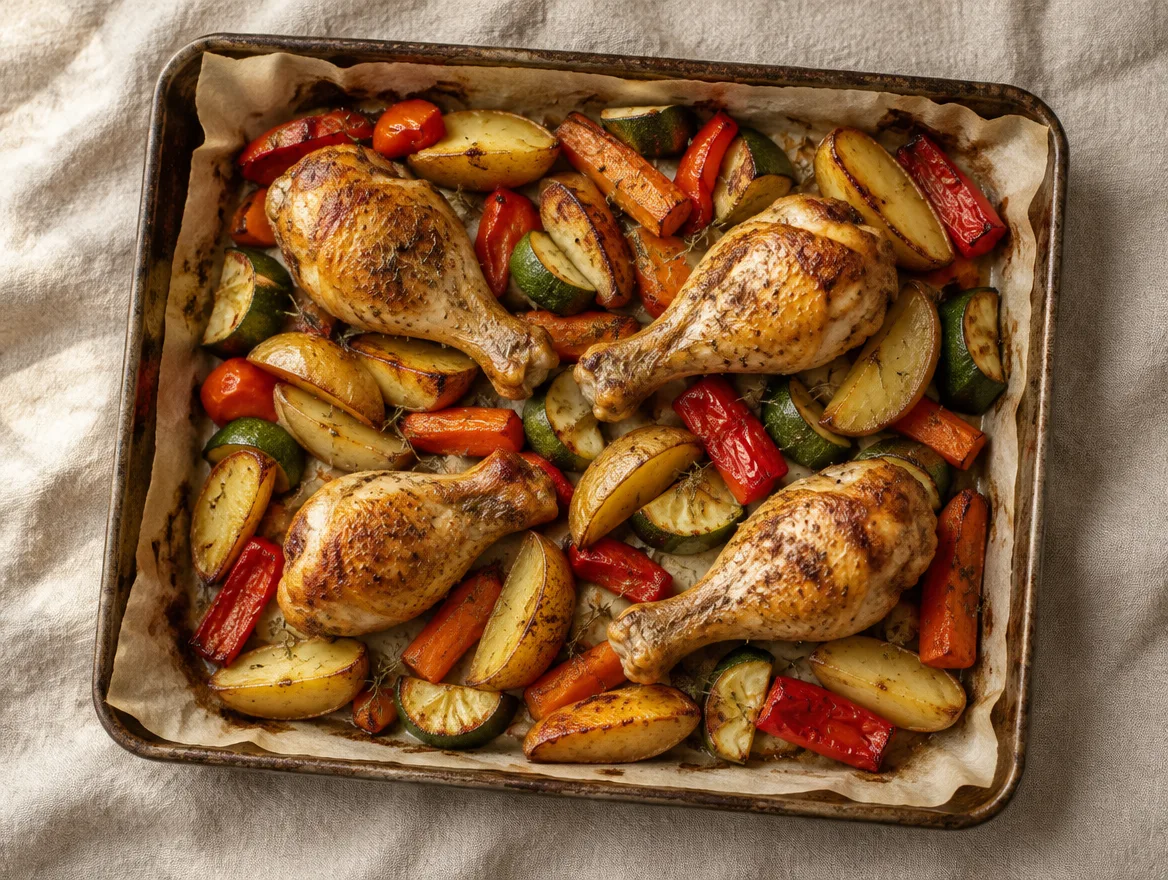
Illustration of the dish created with the help of AI.
- For toddlers from 12 months
- Prep 15 min · cook 50 min
- Easy
- 4 servings (2 adults and 2 children)
- Family meal
Allergens
Contains none of the 14 major allergens listed by EU and UK law (this also covers the 9 major US allergens).
One meal for the whole family
Roast it without salt. Make up your child's plate, then season your own portion with salt and pepper on the plate. The drumstick skin is for the adults.
Ingredients
- 4 chicken drumsticks
- 4 medium potatoes
- 2 carrots
- 1 zucchini (courgette)
- 1 red bell pepper
- 2 tbsp olive oil
- 1 tsp sweet paprika
- 1 tsp dried thyme or oregano
Method
- 1Preheat the oven to 200 °C (400 °F).
- 2Cut the potatoes into wedges, the carrots into sticks, and the zucchini and bell pepper into larger chunks.
- 3In a large sheet pan (baking tray), toss the vegetables with 1 tbsp of the oil and the thyme.
- 4Brush the drumsticks with the remaining oil and the paprika, then lay them on top of the vegetables.
- 5Roast for 45 to 50 minutes. Halfway through, stir the vegetables and turn the drumsticks. The meat is done when it comes away from the bone easily and the juices from the thickest part run clear.
- 6For your child, remove the skin and take the meat off the bone, check that there's no cartilage (gristle) or small bones, then shred the meat into small pieces.
Nutrition per 100 g
- Energy
- 84 kcal
- Protein
- 6.4 g
- Fat
- 2.8 g
- Carbohydrate
- 8.4 g
- Fiber
- 1.4 g
- Iron
- 0.6 mg
- Calcium
- 13 mg
Approximate, calculated from the raw ingredients using USDA FoodData Central. Actual values depend on your ingredients and how you cook them.
Rate this recipe
Click a star, or choose one with the arrow keys and press Enter.
Why drumsticks, not breast
Drumsticks stay juicy even after almost an hour in the oven, so they're easier for your child to chew than dry chicken breast. Dark meat also has slightly more iron.
Adapting it by age
- From 12 months: meat shredded into strands, vegetables mashed with a fork or cut into soft pieces your child can pick up with their fingers.
- From 2 years: small pieces of meat and vegetables that your child spears with a fork on their own.
Variations
Change the vegetables with the seasons: sweet potato, pumpkin (winter squash such as butternut), cauliflower and broccoli take just as long to roast. Add broccoli for the last 20 minutes so it doesn't burn.
Safe feeding
Always feed your baby sitting upright and never leave them alone while eating. Offer a new food in the morning or early afternoon and watch for a reaction over the next two to three days. Before 12 months, add no salt, sugar or honey. Food is best eaten straight away; if any is left, cool it quickly, keep it in the fridge until the next day at the latest, and throw away anything left in your baby's bowl. This recipe is for information and doesn't replace advice from your pediatrician or health visitor, especially if your baby has a food allergy or severe eczema.
How to tell gagging from choking and when to introduce allergens: Starting Solids: When to Begin and How to Know Your Baby Is Ready.
Keep track of what your baby tries
In the HannaH app you log every new food, the texture, how much your baby ate and how it went down. If a rash appears, you can show your pediatrician an exact list instead of trying to remember.
More meals for 1 year olds
How many meals a day and a sample week: Toddler Food at 12 Months: What a 1 Year Old Eats
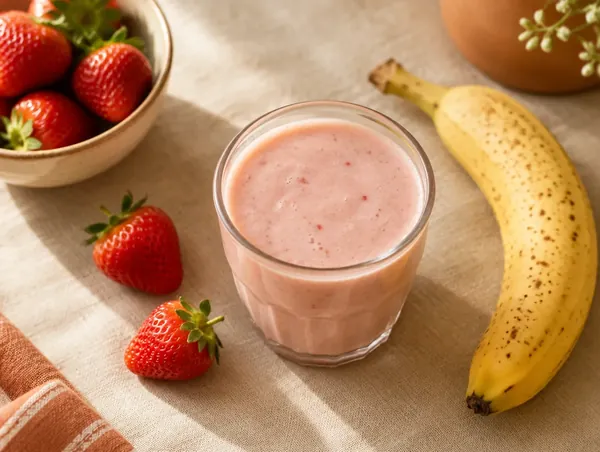
12 mo+ · breakfast · snack · 5 min
Strawberry Banana Smoothie with Milk for Toddlers
Milk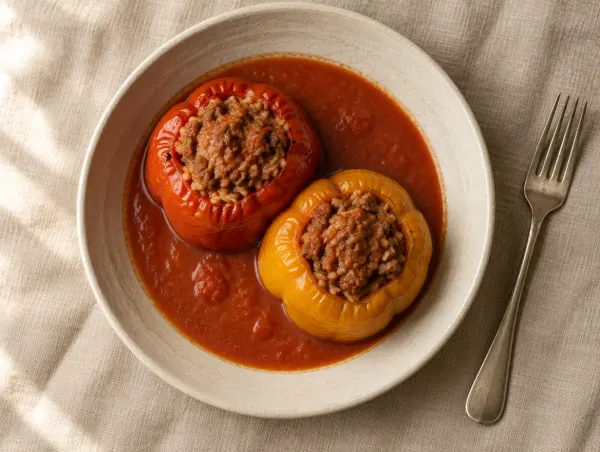
12 mo+ · lunch · dinner · 85 min · Family meal
Stuffed Peppers in Tomato Sauce for Toddlers
Free from the 14 major allergens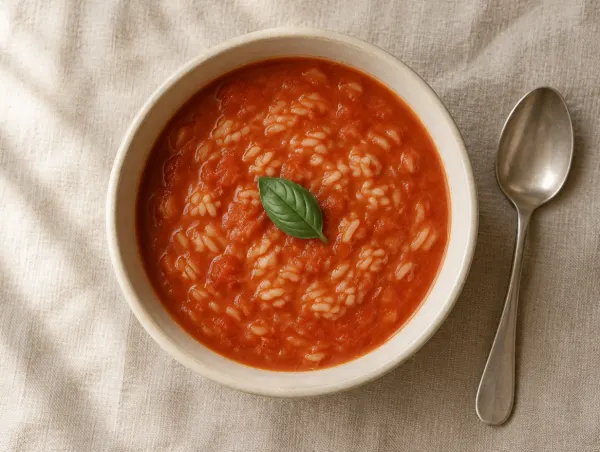
12 mo+ · lunch · dinner · 30 min · Family meal