Recipes · breakfast, dinner
Zucchini Omelette for Babies (6+ Months)
Your baby's first egg: a zucchini omelette, fully cooked and cut into strips. When babies can eat eggs, how to introduce egg as an allergen and what to watch for.
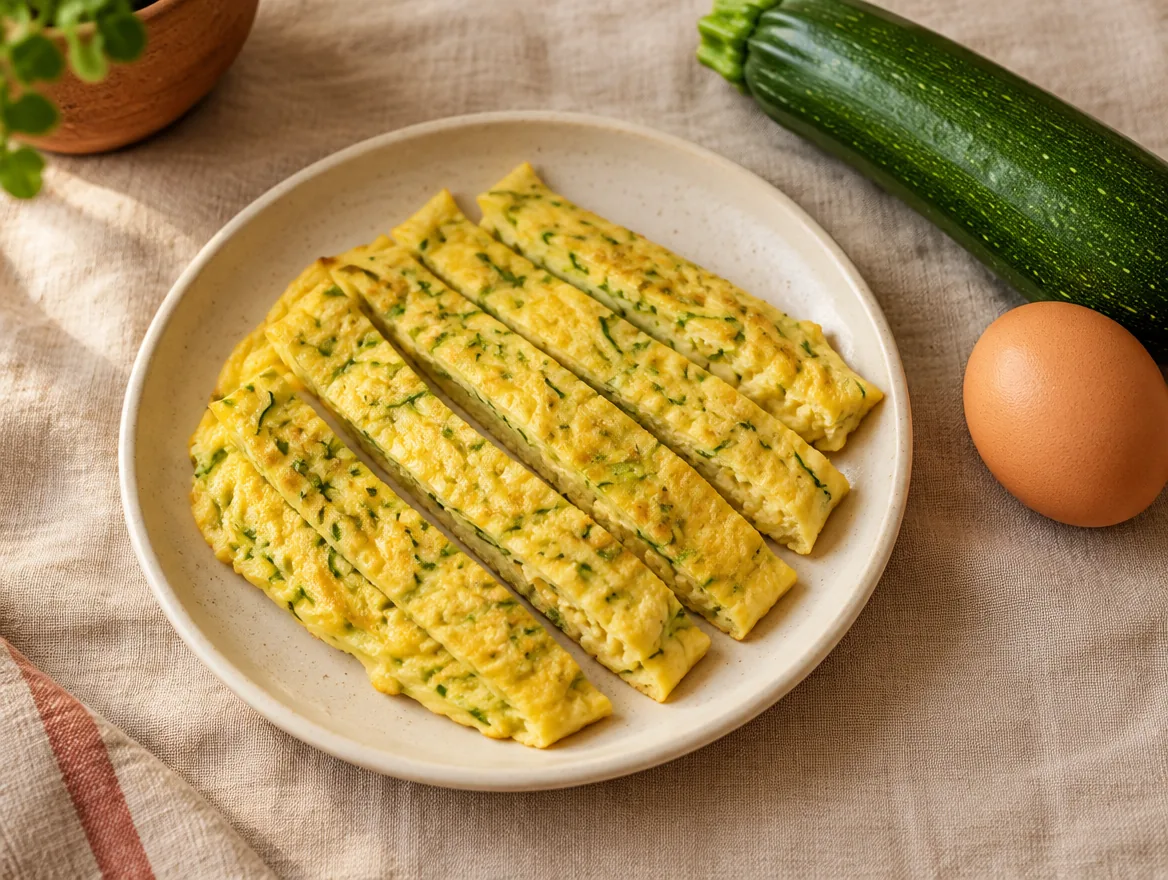
Illustration of the dish created with the help of AI.
- For babies from 6 months
- Prep 5 min · cook 5 min
- 1 to 2 baby portions
Allergens
- Eggeggs and egg products
Free from dairy, gluten.
Ingredients
- 1 egg
- 2 tbsp finely grated zucchini (courgette)
- a little oil for the pan
Method
- 1Squeeze the grated zucchini in your hand or press it in a sieve to get rid of the excess water.
- 2Beat the egg with a fork and stir in the zucchini.
- 3Heat a frying pan over medium heat, brush it with a little oil and pour in the mixture.
- 4Cook for 2 to 3 minutes, flip and cook for 2 more minutes. The omelette must be cooked all the way through, with no runny part in the middle.
- 5Let it cool and cut it into strips about two fingers wide.
Rate this recipe
Click a star, or choose one with the arrow keys and press Enter.
When can babies eat eggs
Eggs can go on the menu from the start of solids (weaning), at around 6 months: the whole egg, not just the yolk. Current advice is to introduce common allergens, egg among them, early and regularly, as this may lower the risk of allergy. For babies, eggs must always be fully cooked, with no runny yolk.
Your baby's first egg
- Offer it in the morning or early afternoon, on a day your baby is well, so you can watch for a reaction during the day.
- A small piece of omelette is enough the first time. If there's no reaction, offer a little more over the next few days.
- After that, keep offering egg regularly, about twice a week, so your baby's body stays used to it.
- If your baby has severe eczema or an existing food allergy, talk to your pediatrician or GP before introducing egg.
Contact your doctor straight away if you notice swelling of the lips or face, hives across the body, or vomiting. If your baby has trouble breathing or goes floppy, call 911 (US) or 999 (UK). There's more on allergens in our guide to starting solids.
Adapting it by age
- From 6 months: strips of omelette your baby holds in their fist, or omelette mashed into a vegetable puree such as zucchini puree.
- From 9 months: smaller pieces.
- From 12 months: an omelette with more vegetables, such as carrot, spinach or bell pepper, for the whole family.
Safe feeding
Always feed your baby sitting upright and never leave them alone while eating. Offer a new food in the morning or early afternoon and watch for a reaction over the next two to three days. Before 12 months, add no salt, sugar or honey. Food is best eaten straight away; if any is left, cool it quickly, keep it in the fridge until the next day at the latest, and throw away anything left in your baby's bowl. This recipe is for information and doesn't replace advice from your pediatrician or health visitor, especially if your baby has a food allergy or severe eczema.
How to tell gagging from choking and when to introduce allergens: Starting Solids: When to Begin and How to Know Your Baby Is Ready.
Keep track of what your baby tries
In the HannaH app you log every new food, the texture, how much your baby ate and how it went down. If a rash appears, you can show your pediatrician an exact list instead of trying to remember.
More meals for babies from 6 months
How many meals a day and a sample week: Baby Food for a 6 Month Old: First Foods, Menu and Recipes