Recipes · egg- and dairy-free
Egg-Free and Dairy-Free Baby Recipes: Meals and Swaps
Meals for babies and toddlers without eggs or cow's milk: what to cook, how to swap milk or egg in our recipes, and what to look for on food labels.
This page is for families who cook without eggs and cow's milk, most often because a child is allergic to one or both. Below are meals that contain neither of these allergens, plus tips for swapping them out in our other recipes.
A child with a food allergy: the diet is led by your pediatrician
A child with a diagnosed cow's milk protein allergy (CMPA) follows a diet agreed with their pediatrician, and a baby who isn't breastfed often has a special formula prescribed by the doctor. Don't switch that formula on your own. The reverse applies too: don't cut milk or eggs out of your child's diet on a hunch, without seeing a doctor first.
Watch out for two common misconceptions. Lactose-free milk still contains milk proteins, so it isn't suitable for a child with a milk allergy. Goat's and sheep's milk aren't substitutes either, because their proteins are similar to those in cow's milk. Many children outgrow a milk or egg allergy over time, and when and how to try those foods again is for the doctor to decide.
Meals that are already egg-free and dairy-free
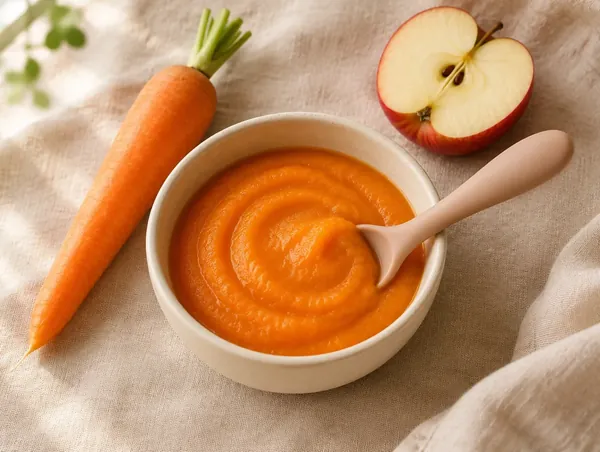
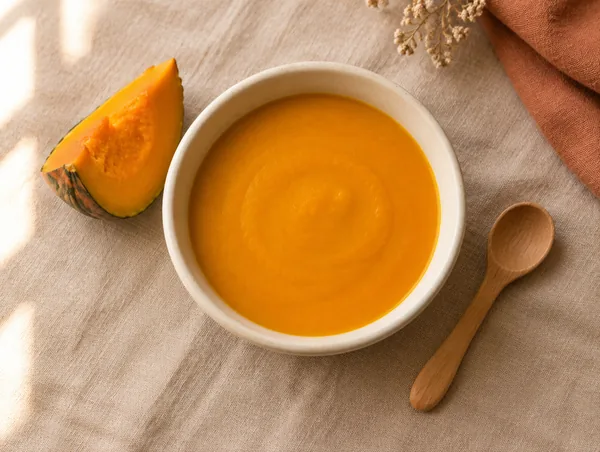
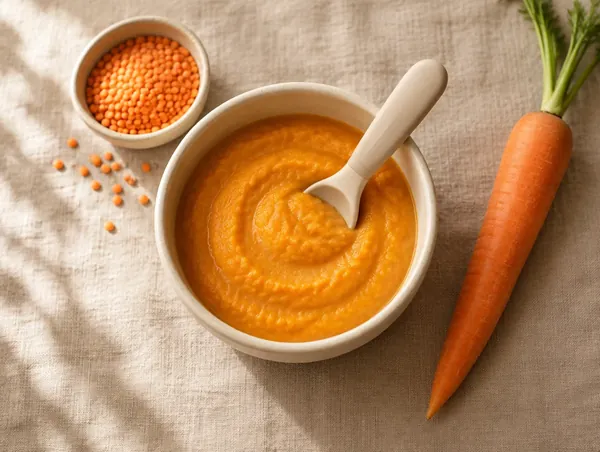
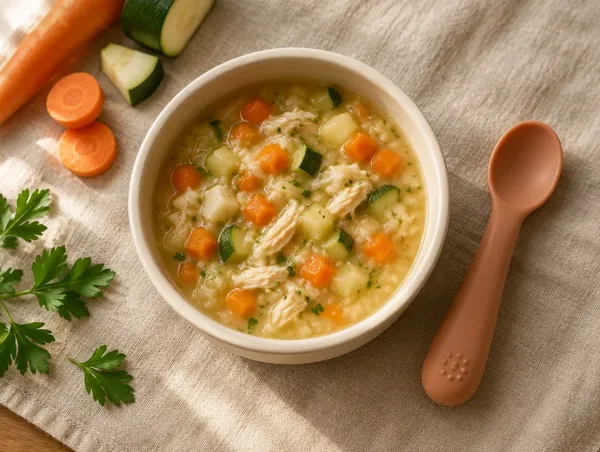
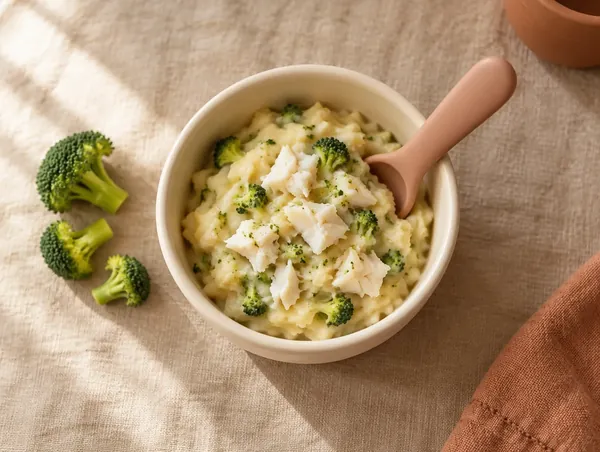
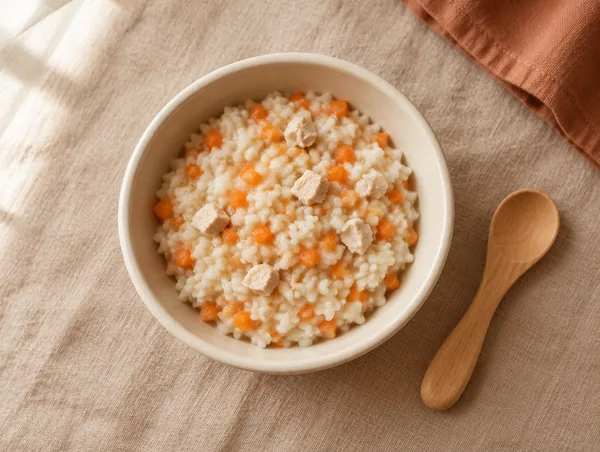
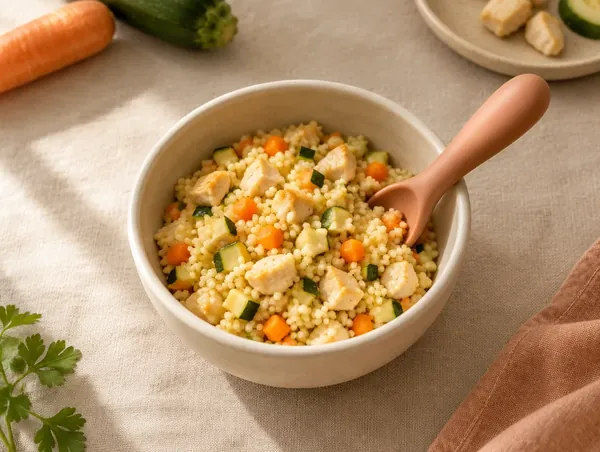
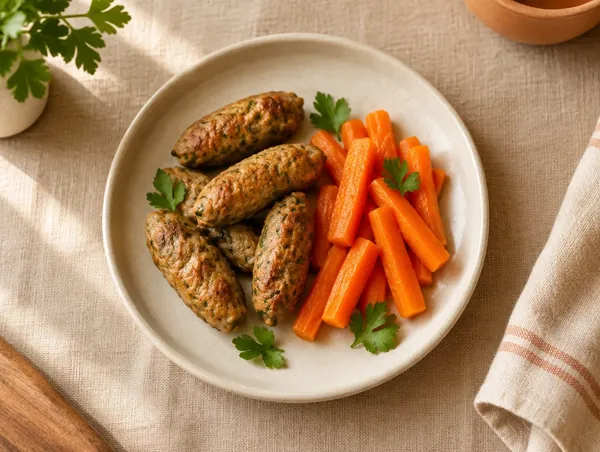
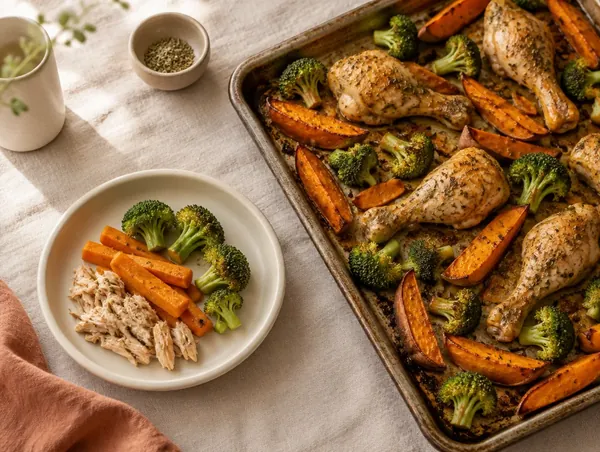
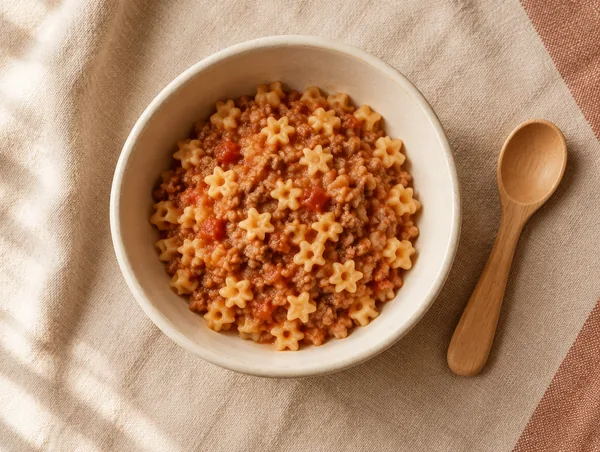
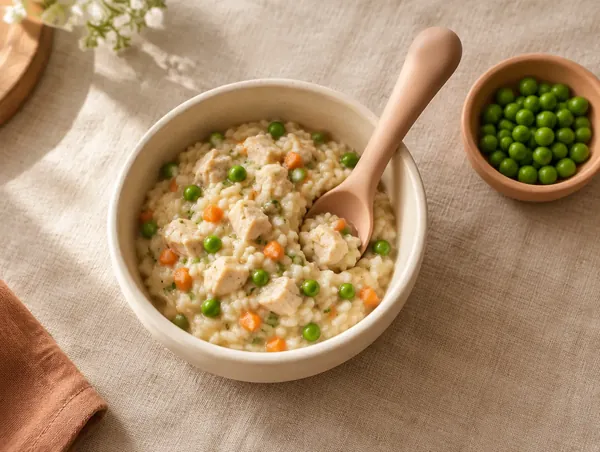
For lunch and dinner: vegetable and chicken soup, red lentil and carrot puree, white fish with potato and broccoli, pumpkin soup, turkey, rice and carrot, sheet pan chicken with sweet potato and broccoli and chicken and pea risotto. Baby meatballs, couscous with vegetables and chicken and baby bolognese are also free of egg and dairy, but they contain gluten. For the bolognese, choose pasta made without egg.
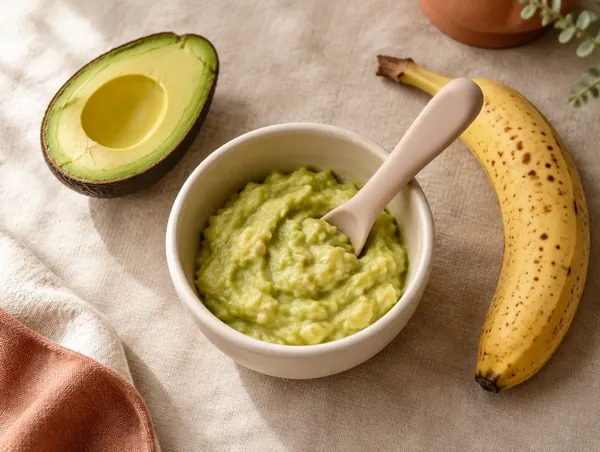
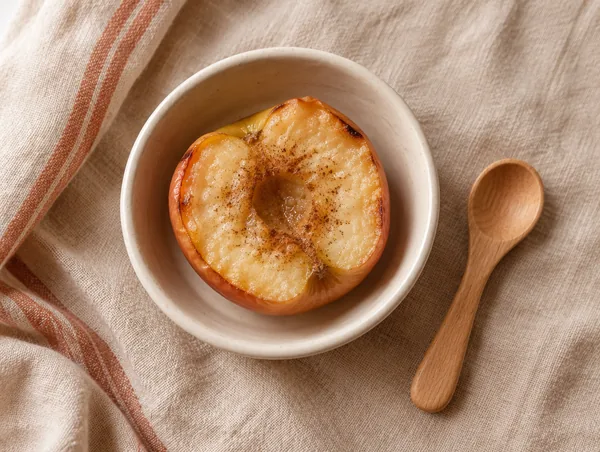
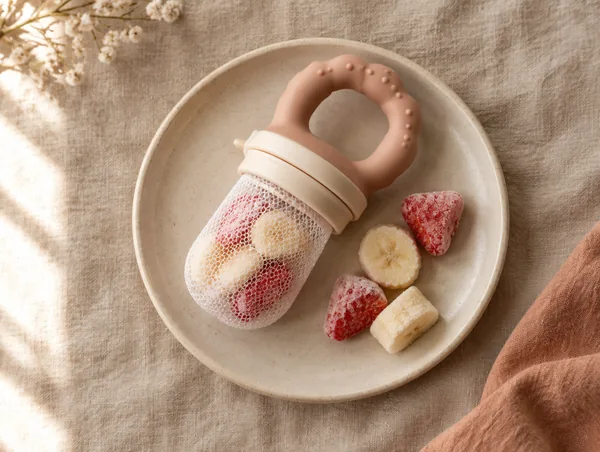
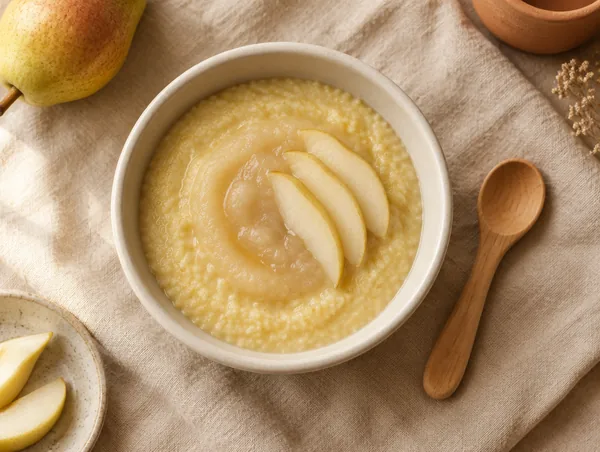
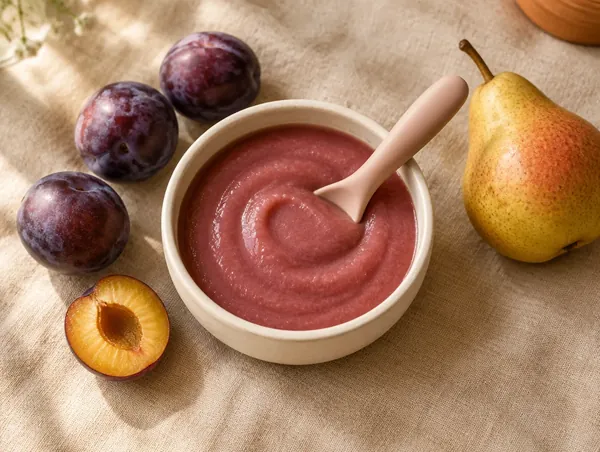
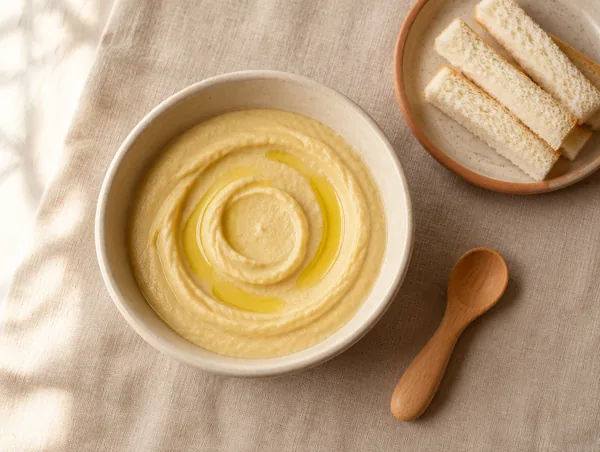
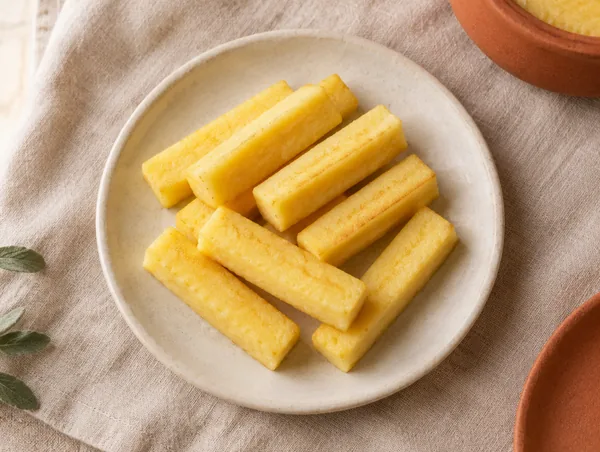
For breakfast and snacks: millet porridge with pear, polenta fingers, avocado and banana, pear and plum puree, baked apple and frozen fruit in a mesh feeder. Hummus is also free of egg and dairy, but it contains sesame.
How to swap milk in our recipes
- Oatmeal (porridge) and semolina porridge: cook them in water, and at the end stir in breast milk or the formula your baby's doctor prescribed, if you like.
- Vegetable purees: thin them with the cooking water.
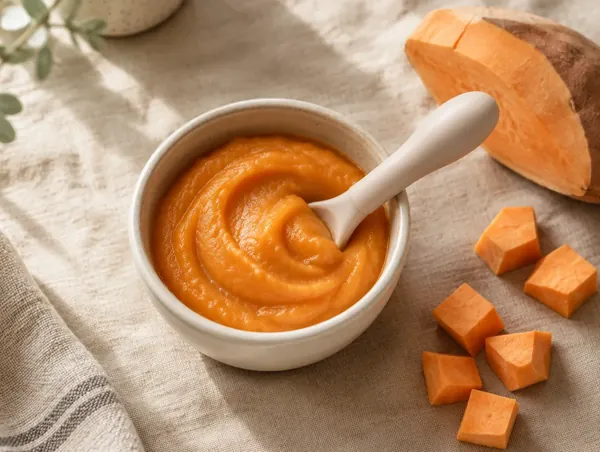
- Pasta with zucchini: instead of the cottage cheese, stir in a tablespoon of sweet potato puree.
- Polenta with yogurt: serve the polenta with fruit or vegetable puree instead.
- Banana and strawberry smoothie, from 12 months: instead of milk and yogurt, use an unsweetened plant-based drink fortified with calcium. Ask your pediatrician which one suits your child. Oat drinks usually contain gluten, and rice drinks shouldn't be given to children under five.
How to replace egg
- A mixture doesn't need egg to hold together. In baby meatballs, oats do that job. You can leave the egg out of the salmon and potato cakes: add an extra half potato and chill the mixture for half an hour before shaping. The cakes will be more fragile.
- In pancakes and baked mixtures, mashed ripe banana or thick unsweetened applesauce can partly replace the egg. The batter is softer and harder to flip, so make smaller ones.
- Omelettes and French toast have no real substitute. For an egg-free breakfast, there are millet porridge and polenta fingers.
What to look for when shopping
In the UK, allergens are highlighted in the ingredients list, usually in bold. In the US, they're named in the ingredients list or in a "Contains" statement right after it (for example, "Contains: milk, egg"). Milk can also hide under names such as whey, casein, milk protein or butter, and egg under albumin or powdered egg. Check bread, pasta, crackers, cookies and ready-made sauces: egg pasta and egg noodles contain egg, and many breads and cookies contain milk. If you're not sure what a product contains, don't buy it. Ask your pediatrician what to do about "may contain" warnings.
If there's a reaction
If your child gets hives, vomits, or their lips or face swell after eating, contact a doctor right away. If they have trouble breathing or go floppy, call 911 (US) or 999 (UK) and follow the plan your doctor gave you.